
 visit raa.com.au
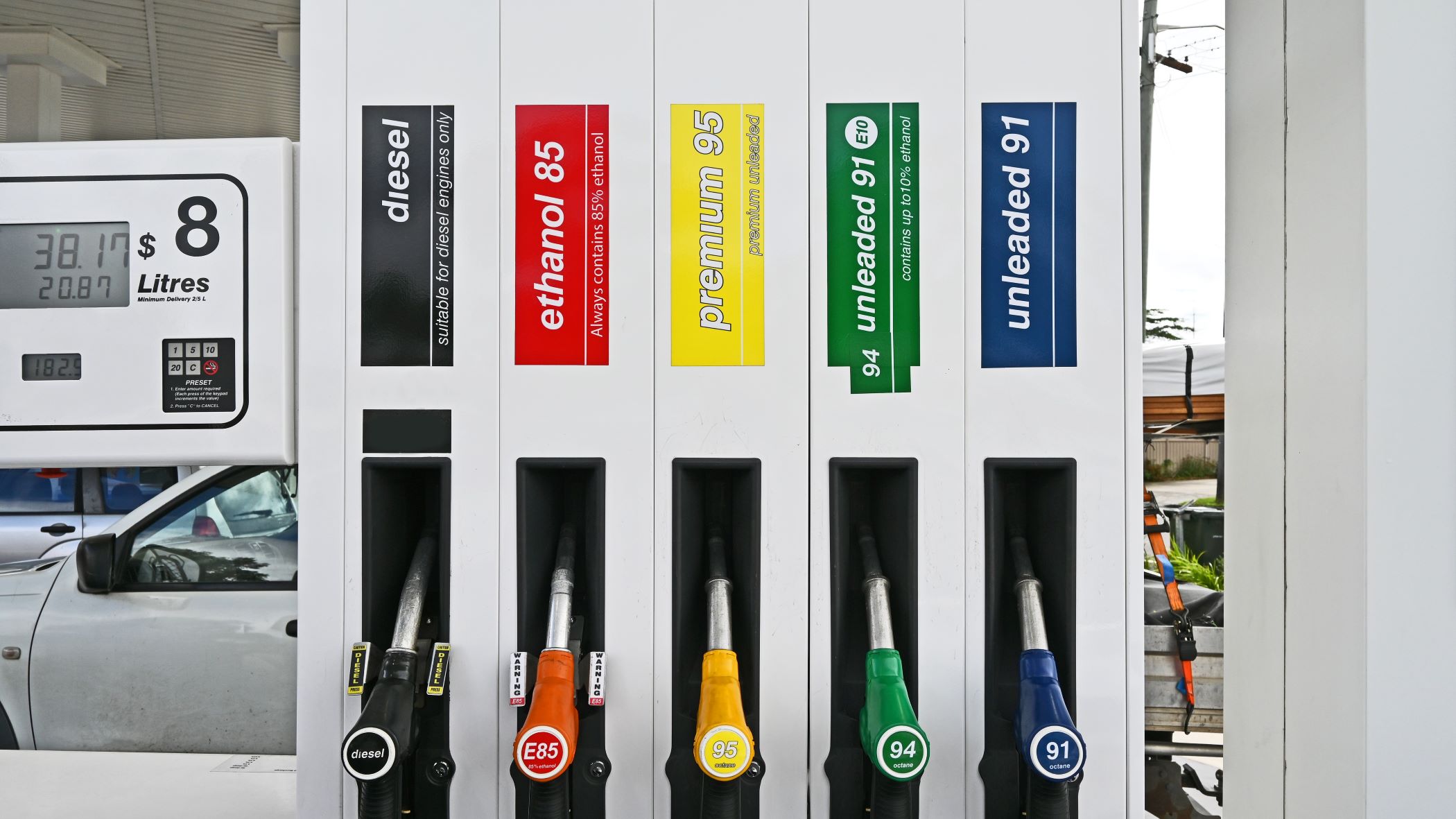
More than one third of drivers (37%) cited bowser blocking while shopping inside as their biggest pet peeve when buying fuel, in RAA’s poll of more than 2,000 motorists.
The next most annoying habits reported to RAA were:
RAA Principal Advisor Future Mobility Peter Nattrass said service stations are shared spaces, and small acts of consideration can make a big difference to the overall experience for all motorists.
“No one wants to be waiting for an available petrol pump for longer than they need to,” Mr Nattrass said.
“While these behaviours may seem minor, they can quickly add to congestion and delays – frustrating other drivers.
“Service stations are busy environments, and a little courtesy goes a long way in keeping things moving smoothly for everyone.
“Drivers should treat service stations like any other shared road space, following signage and watching out for other motorists and pedestrians.
“Being mindful of where you park and how long you stop can make a real difference, especially during busy periods.
“Simple acts of courtesy like moving forward when there’s space, slowing down and avoiding spills all help create a safer environment.”
Top 10 petrol station pet peeves
Drivers should ensure they have the RAA app downloaded and updated, so they can plan…
Fifteen lives were lost on South Australian roads in March – the worst month since 2023 – with RAA warning the spike is a stark reminder ahead…
Today the Federal Government announced the 52.6-cent-per-litre fuel excise will be halved for a period…