
 visit raa.com.au

Fifteen lives were lost on South Australian roads in March – the worst month since 2023 – with RAA warning the spike is a stark reminder ahead of one of the busiest travel periods of the year.
Easter still remains one of the state’s most dangerous holiday periods, with 40 lives lost since 2000. In that time, South Australia has recorded just five fatality-free Easter weekends – most recently 2022 and 2017.
RAA Senior Manager Road Safety and Infrastructure Charles Mountain said the combination of heavier traffic, longer journeys and relaxed holiday mindsets can significantly increase the risk of serious crashes.
“Easter is one of the busiest travel periods of the year, and with more people on the roads for longer periods of time, the risk of road trauma inevitably increases,” Mr Mountain said.
“We consistently see that when traffic volumes rise, so does the likelihood of mistakes, poor decisions and dangerous behaviours behind the wheel.
“Long weekends can create a false sense of familiarity, where drivers feel comfortable on roads they travel every year, but conditions, traffic and can change.
“Speed, distraction, fatigue and impairment remain major contributors to serious crashes, and these behaviours are particularly dangerous when roads are busier than usual.
“Eliminating the Fatal Five behaviours remains key to reducing serious injuries and deaths. No matter how short or familiar the trip feels, it only takes one lapse in concentration for lives to be changed forever.
“If every driver makes safer choices this Easter, we can prevent another family from being affected by road trauma.”
Mr Mountain also said a few basic checks before setting off could help prevent unnecessary breakdowns and reduce pressure on already busy regional roads.

Last year, RAA attended more than 16,600 regional call-outs for vehicles that would not start, along with more than 10,400 engine-related breakdowns, making them the two most common reasons drivers were left stranded outside metropolitan Adelaide.
“Breaking down on the roadside creates additional risks, not just for the driver but for other road users passing the scene,” Mr Mountain said.
“Many of the call-outs we attend over long weekends could be avoided with simple checks before leaving home.
“Drivers should make sure their battery is healthy, fluids are topped up, tyres are properly inflated and warning lights are not ignored.
“When vehicles fail in regional areas, help can be further away and conditions can be more challenging, particularly during peak holiday periods.
“A small amount of preparation can make a big difference to both safety and peace of mind on a long trip.
“If drivers take the time to prepare their vehicle and make safe decisions behind the wheel, they’re far more likely to enjoy a safe and trouble-free Easter break.”

As thousands of South Australians prepare to hit the road for the long weekend, RAA…

With close to 15 fatalities and serious injuries recorded on average between 2020-2024, it makes March the most…
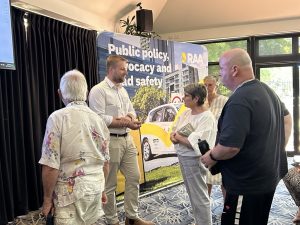
Both forums brought together a diverse mix of community members, local leaders and stakeholders, including people directly impacted by…