
 visit raa.com.au
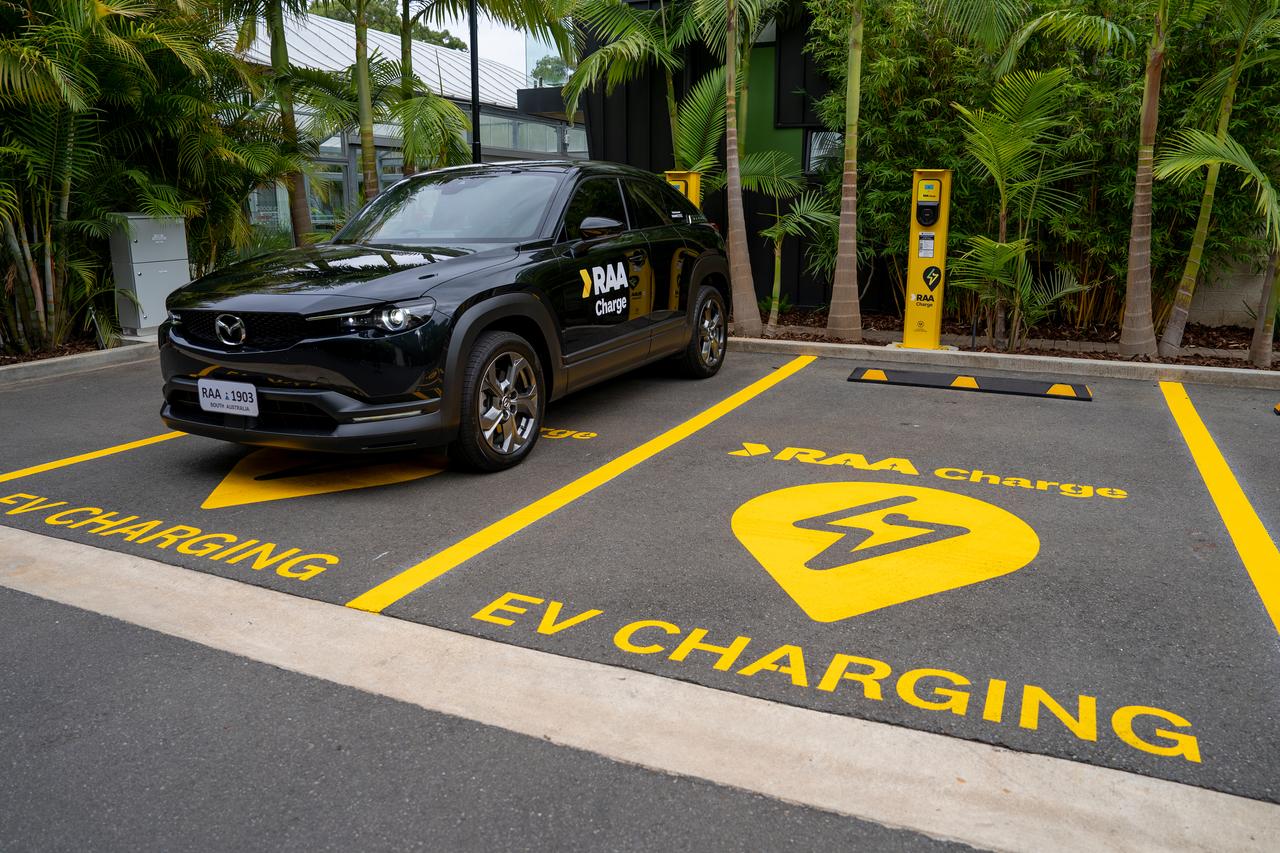
The bumper year saw the network delivering 133,071 charging sessions, passing the previous record of 97,887 sessions in 2024.
Delivered electricity surged 49%, to support approximately 19.3 million kilometres of EV driving, displacing over 22,000 full tanks of petroleum fuels with 100% renewable power.
Statewide travel contributed significantly to the surge, with Victor Harbor, Bordertown, Mount Gambier, Nuriootpa and Kingston emerging as the most popular regional locations.
In metropolitan Adelaide, Burnside was the most-used RAA Charge site for the year. Located as a key gateway to the Adelaide Hills and the South Eastern Freeway, this suggests drivers are regularly charging either in preparation for extended journeys or following longer trips.
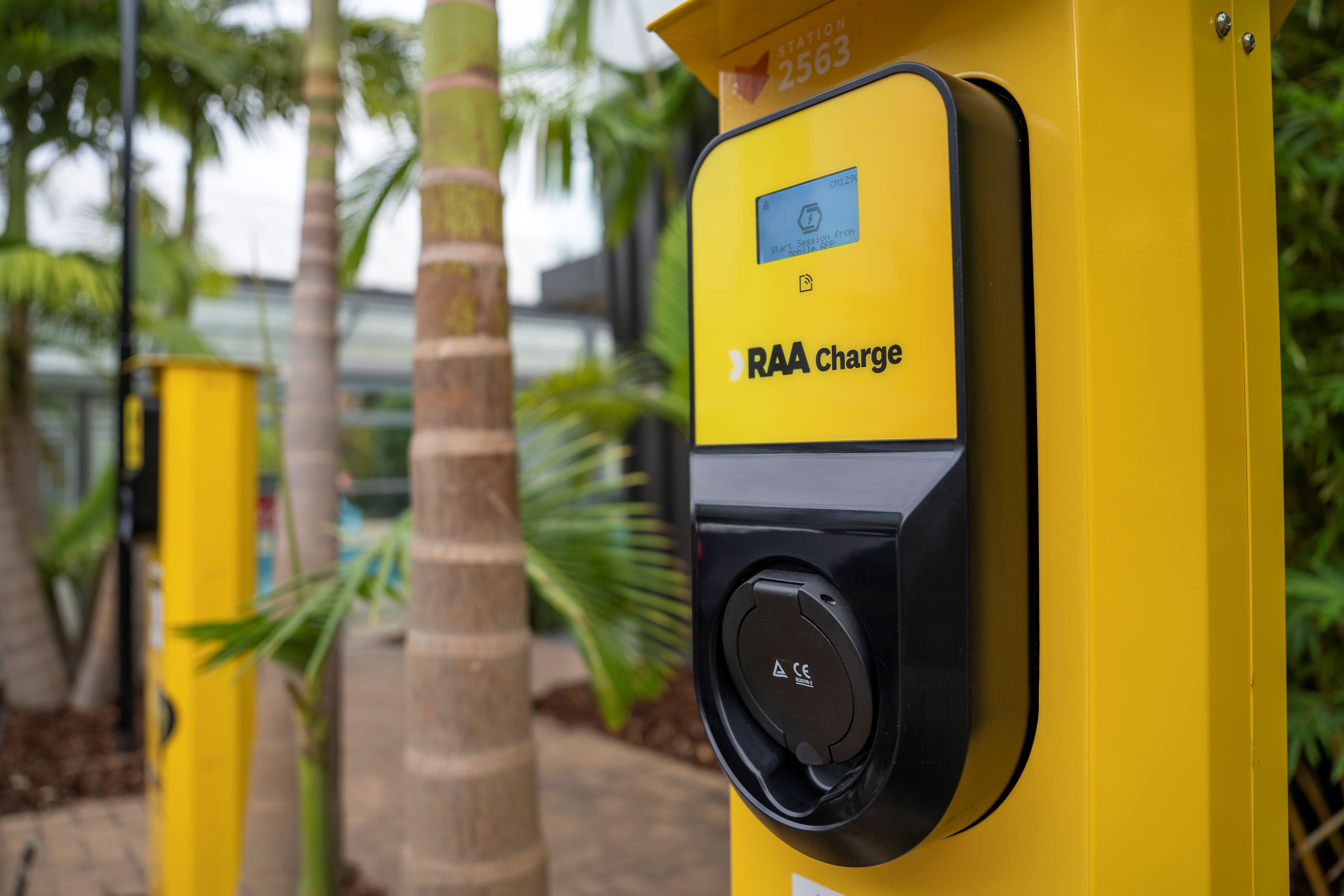
December 2025 was the biggest ever month for RAA Charge, with energy delivered up 42% on December 2024, across 14,050 sessions for the month.
Interstate EV drivers also increased their use of RAA Charge – with drivers from every state and territory relying on the network.
RAA Principal Advisor Energy and Future Mobility Peter Nattrass said this momentum is expected to continue, with national electric vehicle sales reaching 13% of total new vehicle sales in 2025, according to Federal Chamber of Automotive Industry data.
“The RAA Charge statewide EV charging network is removing barriers to EV uptake and becoming a trusted part of regional road trips, particularly during peak holiday periods,” Mr Nattrass said.
“A 36% lift in charging sessions is a significant milestone for the network and the 49% growth in delivered electricity highlights driver confidence to embark on long regional and interstate road trips.
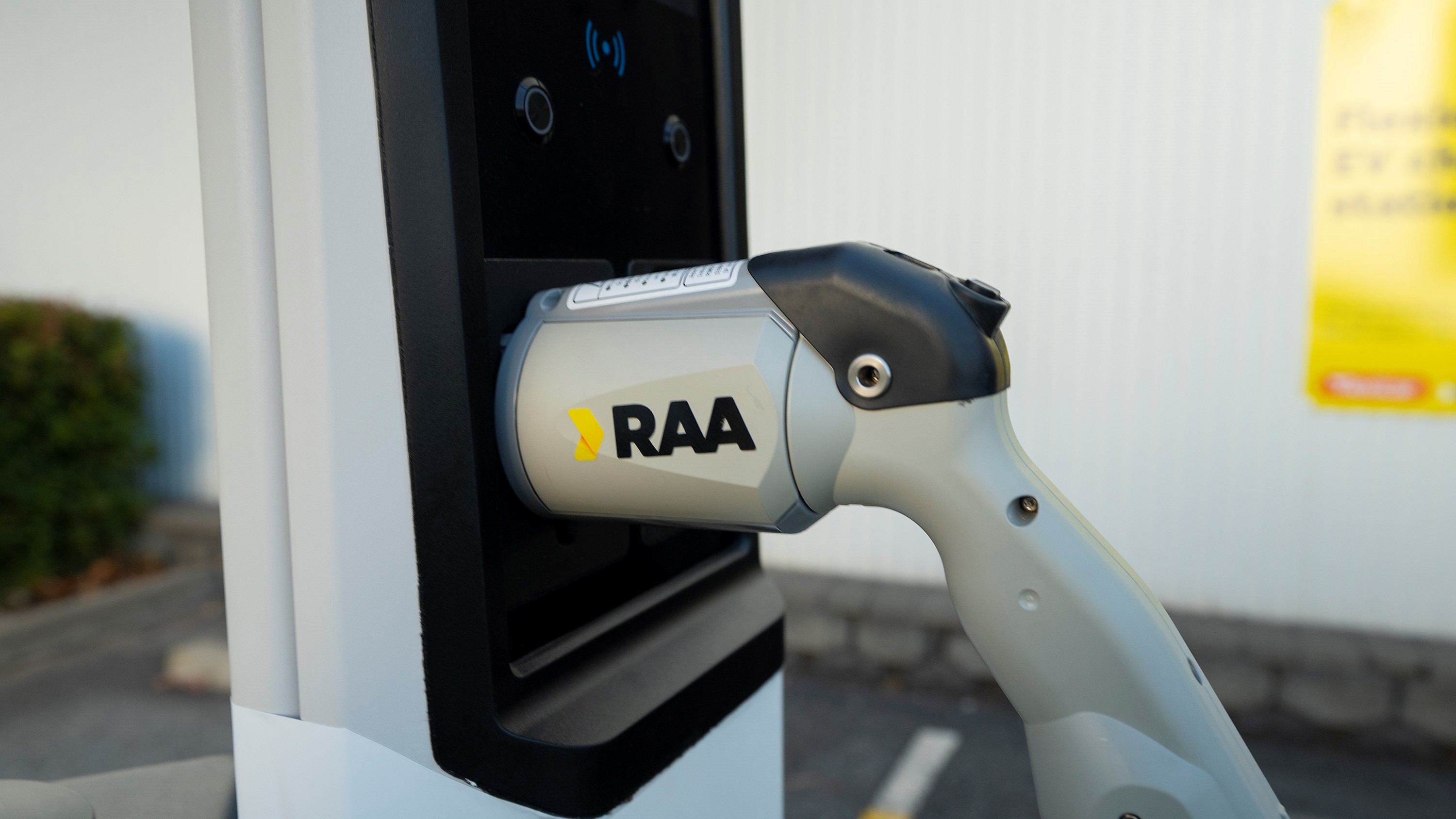
“RAA Charge is making it easier for people to choose electric vehicles without sacrificing comfort, convenience or performance.
“Reliable, well-located charging infrastructure is critical to supporting consumer choice as Australia transition to affordable EVs that are more efficient and cheaper to run.
“Our growing usage figures show South Australians are embracing cleaner electric transport when the right infrastructure is in place.
“We’re seeing EV drivers respond strongly when charging is simple, visible and available where people actually travel and stop for rest breaks.
“Accelerating EV uptake delivers significant local benefits including reduced transport air pollution which contributes to adverse health outcomes, including respiratory illness and premature death.”
More than 2,300 EVs were sold last quarter in South Australia, according to the Australian…

The Premier’s Awards in Energy and Mining highlight innovative approaches and cutting-edge technologies that set…
RAA is calling for the adoption of bi-directional charging to be front and centre of…