
 visit raa.com.au
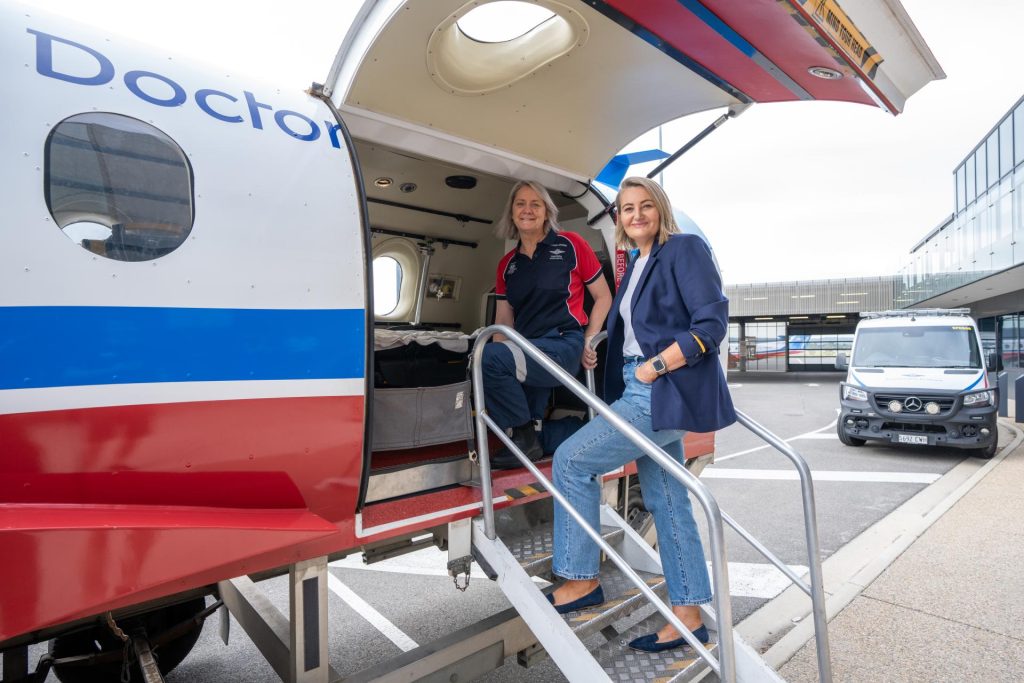
The RFDS is one of Australia’s vital health services that provides emergency aeromedical and essential primary health care to patients across rural and remote locations — including those injured in outback SA road crashes.
Every year, more than 10,000 patients across SA and the NT are airlifted by the RFDS. In SA specifically, the organisation carried out 146 patient transfers in 2025 related to motor vehicle crashes.
Thanks to a new three-year partnership with RAA, made possible by RAA’s new $5 million Community Impact Fund, the RFDS can maintain state-of-the-art training simulations in its replica aircraft cabin.
The simulator puts RFDS crews in a realistic aeromedical retrieval environment to prepare them for the unique challenges of in-flight care.
The simulator is also used for community engagement and education, allowing individuals and groups to experience the life-saving work of the RFDS. In the coming months, it will feature at events in the Barossa, Riverland, Spencer Gulf, Eyre Peninsula and the state’s South East.
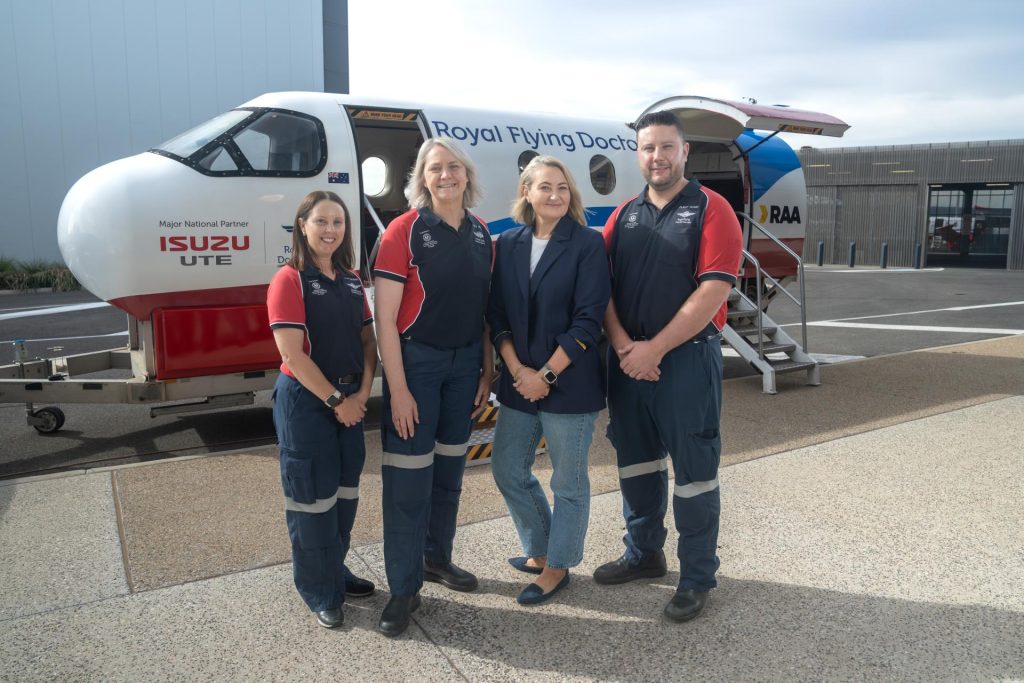
RAA General Manager Community & Corporate Affairs Emily Perry said the partnership reflects RAA’s longstanding commitment to road safety and reducing the impact of road trauma.
“The Royal Flying Doctor Service has saved thousands of South Australian lives by providing critical aeromedical care and transport,” Ms Perry said.
“When someone is seriously injured in a crash on a remote or rural SA road, the quality of that initial care provided by the RFDS and other first responders can be the difference between life and death.
“Investing in simulator training is a natural extension of RAA’s road safety mission – because road safety doesn’t end at the crash scene.
“We’re proud to back the RFDS in giving its incredible aeromedical teams the best possible preparation for the work they do.”
Charlie Paterson, RFDS Executive General Manager Strategy, Brand & Reputation, said this partnership with RAA strengthens the aeromedical training that underpins every RFDS mission.
“In remote and outback emergencies, our pilots, doctors and nurses are often working alongside first responders and other emergency agencies and the decisions they make can be life-saving,” Charlie said.
“High-fidelity simulator training ensures our crews are prepared not only for the clinical and aviation challenges they face, but for the broader impact these incidents have on patients, families and communities.”
RAA’s Community Impact Fund commits up to $5 million per year to causes that matter to South Australians, including road safety response, education and advocacy, local grassroots and regional programs, and major partnerships.
The annual report from the State’s largest membership organisation showed RAA delivered a record $55.4…
Running across three days, the program will bring together Year 10-12 students from more than…
RAA has more than doubled the funding available for the Regional Safety Grants through its Community Impact Fund in the past two years. Grants…