
 visit raa.com.au
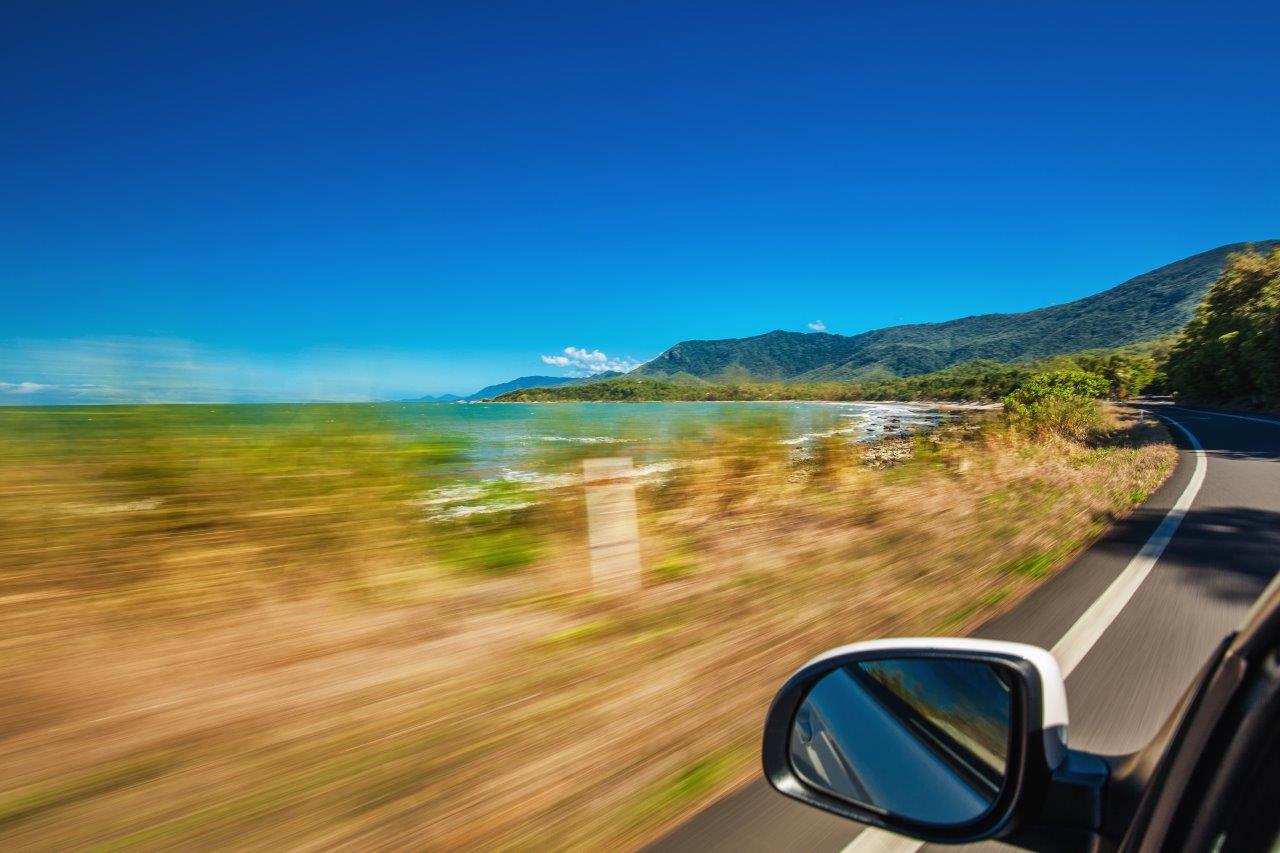
Traffic data analysed by RAA vehicle numbers at the Copper Coast Highway/Yorke Highway intersection – the portal to the Yorke Peninsula – were 87% higher in the week after Christmas last year compared to earlier in December.
Main South Road at Myponga – a key route to the Fleurieu Peninsula and Kangaroo Island – may also be busier this week, carrying about 44% more vehicles in the week after Christmas last year.
The last two weeks of December are also historically one of the worst periods for fatal crashes.
There have been 29 fatal crashes in the last two weeks of December in the past five years – almost three times as many as the first two weeks of December.
Drivers are being urged to remember the road safety basics if heading away this week – including resting at least every two hours, sharing the driving and allowing extra time for the journey where possible. RAA Senior Manager of Safety and Infrastructure Charles Mountain said the data highlighted the popularity of post-Christmas travel but also the need to plan ahead.
“After Christmas, we see a sharp increase in traffic on regional roads as people head away for holidays, often travelling longer distances than they do during the rest of the year,” Mr Mountain said.
“Unfortunately, the Christmas and New Year period also coincides with the highest number of serious crashes, and many of these are linked to the Fatal 5.
“Speed, fatigue, inattention, not wearing a seatbelt, driving under the influence and dangerous driving continue to be among the biggest causes of serious injuries and deaths on our roads.
“Fatal crashes almost triple in the final two weeks of the year, with 29 fatalities recorded between 18 and 31 December compared to 10 in the fortnight prior over the past five years.
“Allow extra travel time – particularly if you are driving on unfamiliar roads, take regular breaks and share the driving where possible.
“Planning ahead is one of the simplest ways drivers can reduce risk before leaving the driveway.”
Even small amounts of alcohol can slow reaction times and increase the risk of a crash, and Mr Mountain also urged drivers to make a plan to get home safely without drinking and driving.
“Planning ahead and arranging a sober ride could save your life and the lives of others,” Mr Mountain said.
“Alcohol impairs your reaction times and judgement, and even a short drive can be dangerous.”
RAA’s road trip advice

With close to 15 fatalities and serious injuries recorded on average between 2020-2024, it makes March the most…
Both forums brought together a diverse mix of community members, local leaders and stakeholders, including people directly impacted by…
The Horrocks Highway is a key corridor through the state’s Mid North, with sections carrying…