
 visit raa.com.au
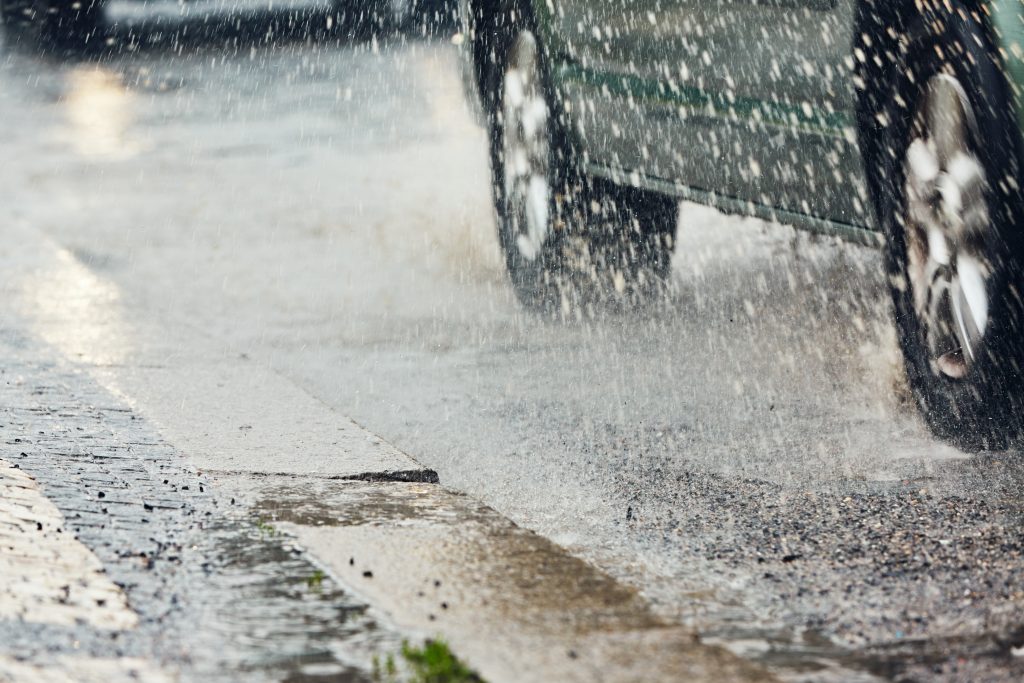
Shorter days, slippery roads and reduced visibility can all increase crash risk during winter, requiring motorists to take extra care on the roads.
Crashes where drivers hit fixed objects like trees and stobie poles account for 44% of wet weather crashes on high-speed roads – compared with 28% in dry conditions – as wet roads can lead to aquaplaning and loss of control.
RAA’s winter road safety advice
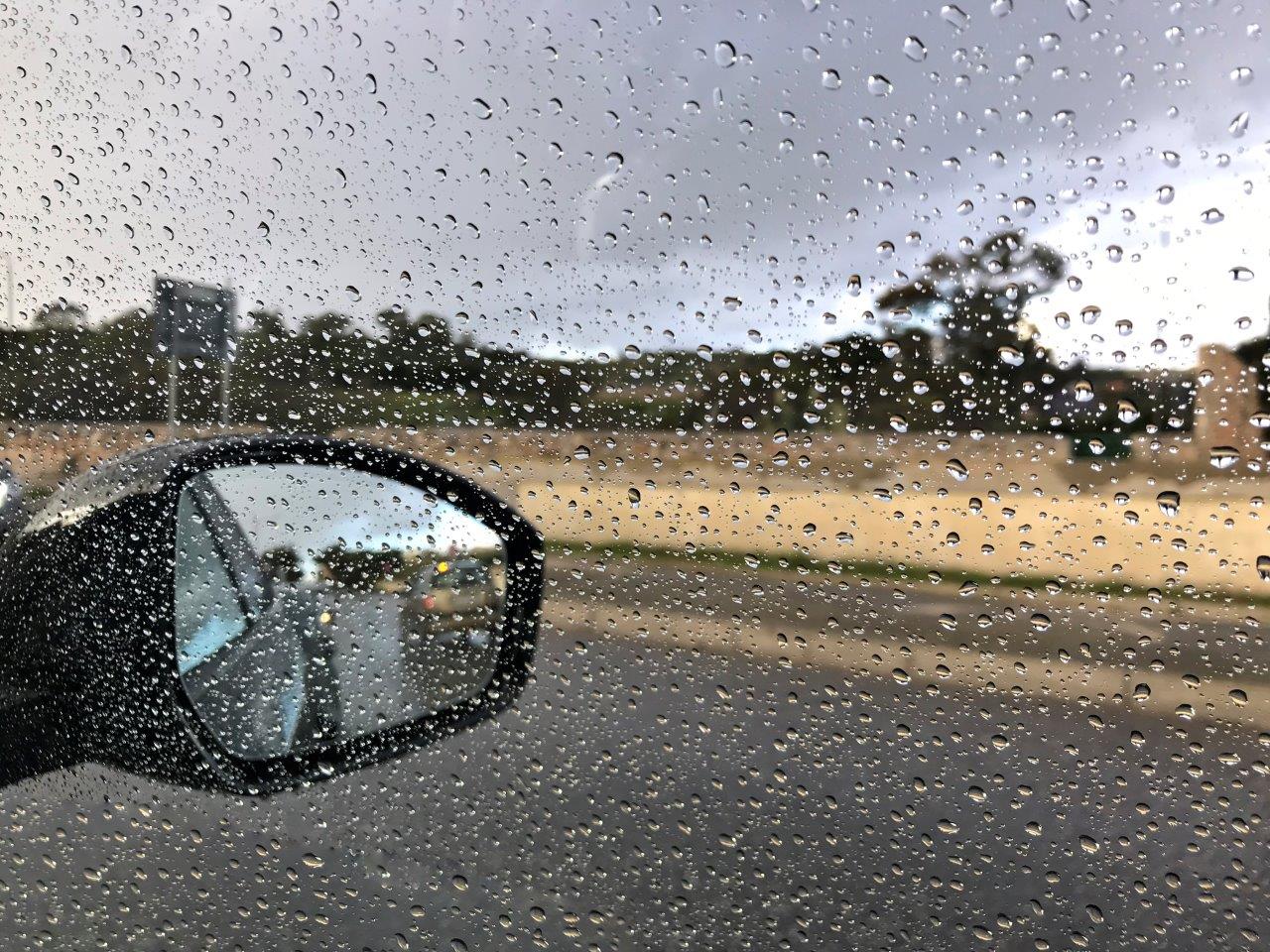
RAA Senior Manager Road Safety and Infrastructure Charles Mountain said winter conditions demanded greater care from all road users.
“Winter driving brings a range of challenges, from reduced visibility through to longer stopping distances on wet roads, so it’s important motorists adjust their driving to suit the conditions,” Mr Mountain said.
“The fact that nearly half of wet weather crashes on high-speed roads involve vehicles hitting fixed objects highlights how quickly drivers can lose control when conditions deteriorate.
“Something as simple as turning your headlights on in dull weather can make a big difference, helping you see hazards sooner and making your vehicle more visible to others.
“Before heading away on a longer trip, take a few minutes to check your tyres, lights and wiper blades – these are small things that can have a big impact on safety.
“Whether you’re travelling across the state or just around town, the safest approach is to slow down, stay alert and drive to the conditions.”
Of the 40 schools soon to receive the reduced speed limit, 24 have an existing…

In South Australia, 25km/h school zones operate on local roads 24 hours a day, seven…
Running across three days, the program will bring together Year 10-12 students from more than…