
 visit raa.com.au
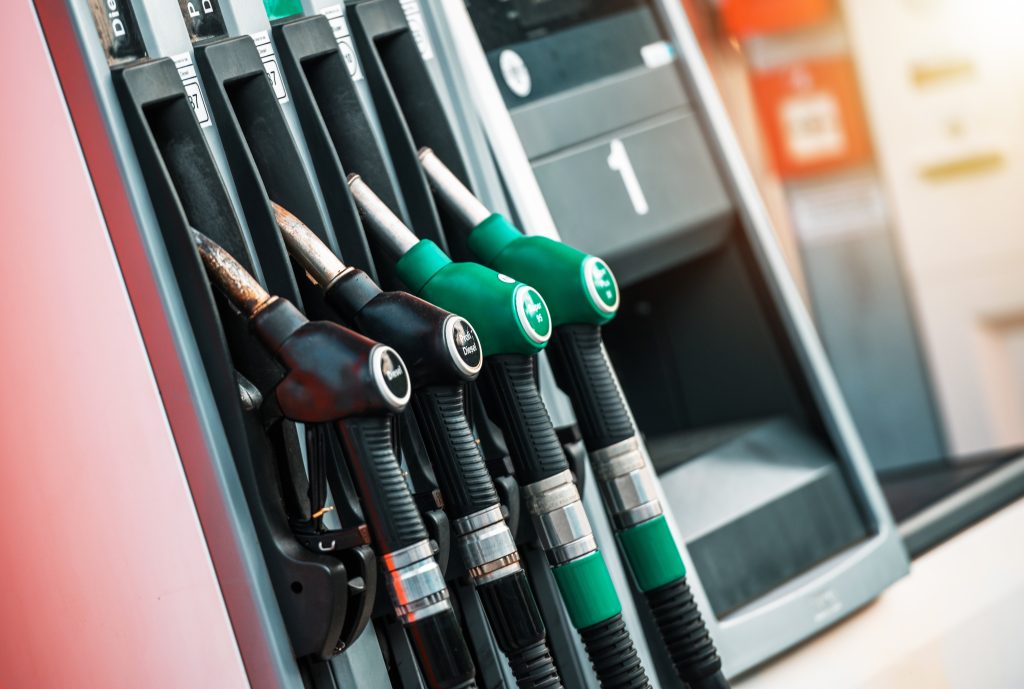
Check the real-world fuel efficiency
More than three in four petrol or diesel vehicles tested use more fuel on Australian roads than advertised on their windscreen sticker, according to results from the Australian Automobile Association’s (AAA) Real-World Testing Program (RWTP).
Testing of the 2024 Mazda 2, for example, found it used 6.8 litres per 100km in real-world conditions – 35 per cent more than advertised. For a driver covering 15,000km a year at around $2 a litre, that’s more than $500 In additional fuel costs per year than the sticker suggests.
Motorists can view the full database of real-world fuel efficiency results for 163 petrol/diesel vehicles at realworld.org.au.
A new batch of results has been released this week, finding cars such as the MG 5 Essence and Mazda BT-50 used 6% and 7% more fuel than advertised respectively.
Right-size your car
Choosing a vehicle that actually matches your needs could be one of the easiest ways to cut fuel costs.
Across all vehicles tested by the RWTP, large SUVs used 20% more fuel on average than small SUVs, and 13% more than medium SUVs.
That means motorists who choose a small SUV could again be saving more than $400 per year on fuel when compared to a larger version (if driving 15,000 km per year at $2 per litre).
What’s the right fuel type for you?
The US/Iran conflict has seen SA diesel prices rise to around 40c per litre more expensive than unleaded in recent weeks, meaning choosing a diesel vehicle when you don’t need one could be an expensive decision.
Given Australia’s high demand for diesel among freight and other industries, it’s susceptible to price increases when there is instability and volatility in supply chains.
RAA Principal Advisor Energy and Future Mobility Peter Nattrass said being aware of how these factors can impact running costs before making a purchase decision could save drivers significantly.
“More than 2.3 million used cars were purchased in Australia last year, and choosing the most fuel-efficient car for your needs can lead to significant fuel savings, especially when prices are high,” Mr Nattrass said.
“The fuel consumption figure on a car’s windscreen label is a laboratory result – how it performs on South Australian roads can be a very different story.
“Anyone comparing models should check the AAA’s Real-World Testing Program results at realworld.org.au to see if that model is one of the 183 that has been tested for its performance in Australian conditions.
“Typically the smaller the car, the more efficient it will be, so it’s worth thinking through exactly how much space you need if you’re looking to save on fuel costs.
“Diesel is where we’re currently seeing the most significant impact on price and potentially supply in global markets.
“For many families, choosing a petrol, hybrid or an EV if it suits you could be a better financial decision in the long run.”
“Choosing a fuel-efficient vehicle reduces your vulnerability to shocks in the global fuel market, which we’ve seen acutely in recent months – so if you’re motivated by running costs, buying for efficiency could help put money back in your pocket.”
For more on the Real-World Testing Program visit realworld.org.au.

RAA analysis shows the average retail price of diesel in Adelaide has risen to $2.89…
According to RAA’s latest fuel report, 33% of drivers have started using fuel price comparison…

Following the fuel price spike in early March triggered by conflict in the Middle East,…