
 visit raa.com.au
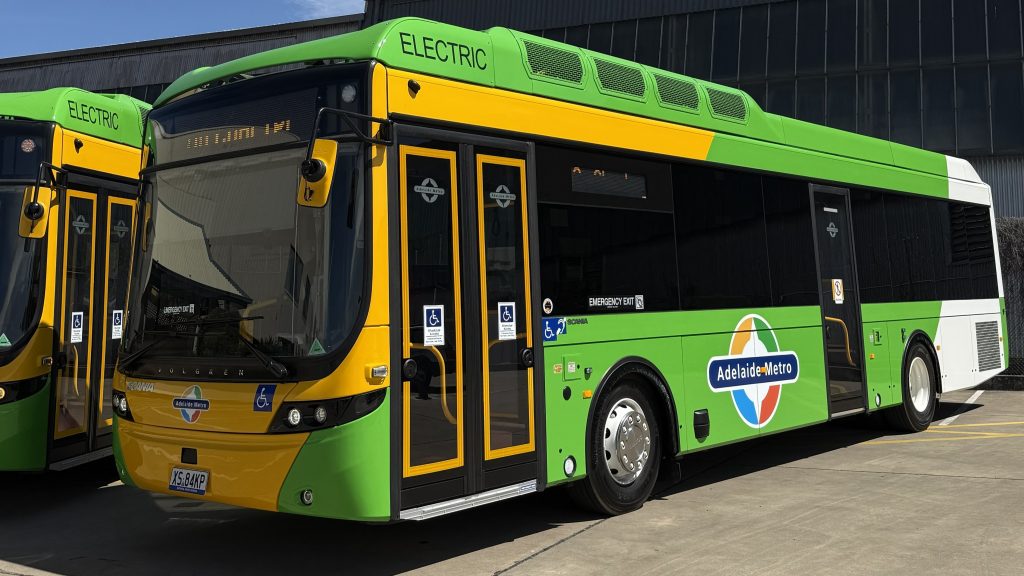
The new buses promise a quieter ride for passengers travelling through some of Adelaide’s busiest road corridors, and less noise and air pollution for pedestrians, residents and workers.
They will also mean improved safety through Advanced Driver Assistance Systems (ADAS) that help drivers maintain lane position, manage speed and keep a safe distance from other vehicles, cyclists and pedestrians.
RAA has been a strong advocate for cleaner, safer and more efficient public transport in South Australia, and supports plans to progressively transition the state’s bus fleet to zero-emissions technology.
Principal Advisor Energy and Future Mobility Peter Nattrass said RAA’s 2026 State Election submission calls for a clear roadmap to accelerate the rollout of electric buses and charging infrastructure needed to support them.
“RAA has long called for modern, zero-emission public transport and these electric buses will have a positive outcome for both commuters and the environment,” Mr Nattrass said.
“Rolling out electric buses is more than a fleet upgrade, it’s an investment in modern, sustainable transport that can be smart charged when South Australia has abundant renewable energy.”
By replacing ageing diesel buses, the new electric fleet will prevent over 4,500 tonnes of carbon from entering the atmosphere each year, helping to reduce South Australia’s carbon emissions by at least 60% below 2005 levels by 2030, and achieve net zero emissions by 2050.
Mr Nattrass said the transition to electric public transport would deliver immediate benefits for commuters.
“Electric buses not only reduce emissions but are quieter and cleaner – offering an improved riding experience for thousands of South Australians every day,” Mr Nattrass said.
“For people living and working along major bus corridors, these upgrades will mean less noise, less pollution and a more pleasant streetscape overall, supporting health, wellbeing and population growth.
“Switching to electric buses isn’t just good for commuters, it’s a critical step towards a more sustainable public transport system.”
It comes as the number of motorists checking live fuel prices on the RAA app…
As thousands of South Australians prepare to hit the road for the long weekend, RAA…
RAA has welcomed the State Government’s commitment to preserve a rail corridor to Adelaide’s north…