
 visit raa.com.au
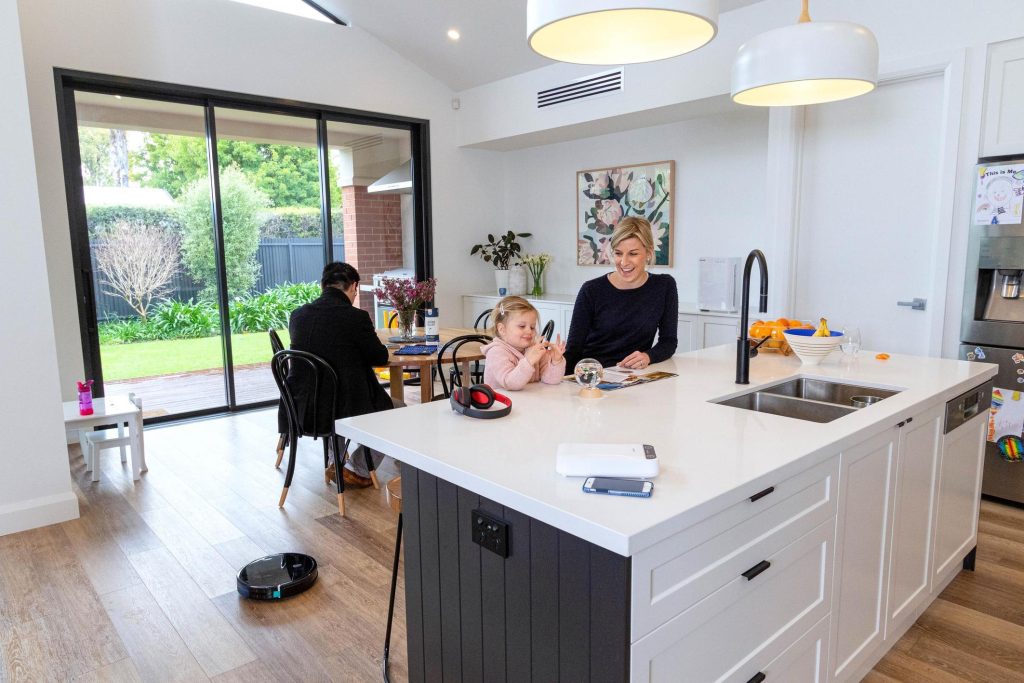
RAA is calling on the State Government to mandate the disclosure of energy efficiency ratings for all homes at the point of sale or lease, so South Australians know what they’re signing up for.
The move would be particularly beneficial for buyers and renters considering moving into an older home – 70% of South Australia’s housing stock was built before minimum energy efficiency standards were introduced in 2003.
RAA Chief Executive Officer Nick Reade said under the National Construction Code, all new homes must achieve a 7-star energy rating – but the average existing Australian home sits at just 1.7 stars.
“Most people have no idea about the energy efficiency of their home and how that impacts how much extra they’ll pay to heat and cool it,” Mr Reade said.
“A home with a 2-star rating – which is above the Australian average – will require four times the energy to cool in summer and heat in winter compared to a 7-star rated home.
“This means some households may be paying up to $2,000 more than others to heat and cool a similar-sized home.
“With the cost of living increasing, buyers and renters need to be able to choose a property with their ‘eyes open’ on the likely cost of heating and cooling.
“We know the energy efficiency of our fridges and dishwashers and the fuel economy of our cars. It makes sense that we should know the same about our homes – especially when rent or a mortgage is already the biggest expense for most families.”
Mr Reade said renters were particularly vulnerable because they often couldn’t make simple upgrades themselves, and landlords weren’t required or incentivised to improve energy efficiency.
“Most buyers and renters would have very little information about the energy efficiency of an older building. Even if a buyer undertakes a standard building inspection, energy efficiency isn’t usually included,” he said.
“For homeowners, an energy rating inspection costs on average about $500 – a fraction of Adelaide’s median house value, which is approaching $1 million. Rating inspections are valid for 10 years, so even for landlords the cost is negligible in the long run.”
RAA also believes governments should be exploring additional measures to help, including requirements that landlords properly insulate rental homes and upgrade appliances and air conditioners at end-of-life.
“While the Federal Government’s zero-interest loans are a positive step, further financial support measures such as instant asset write-offs could help more homeowners and landlords make energy efficiency upgrades.”
Mr Reade said other states had already taken the lead on energy efficiency initiatives.
“Victoria has introduced minimum standards for rental properties including roof insulation and draught-proofing and the ACT has required mandatory disclosure of home energy ratings since 2001,” Mr Reade said.
“While initiatives like the Cheaper Home Batteries program and Solar Sharer offer will help some South Australians, renters will miss out on battery rebates, and the three hours of free midday power doesn’t address peak energy use in mornings and evenings when families are home.”
“South Australia’s older, poorly insulated houses are exposing residents to high energy bills and unsafe indoor temperatures. During extreme weather conditions, ambulance callouts, emergency presentations and hospital admissions increase, placing strain on an already stretched SA health system.
“It’s time for real upgrades, not band-aids.”
Read RAA’s full state election platform at raa.com.au/growth

Catherine House is South Australia’s only homelessness and recovery service for women, with many of…
It comes as the number of motorists checking live fuel prices on the RAA app…
RAA has welcomed the State Government’s commitment to preserve a rail corridor to Adelaide’s north…