
 visit raa.com.au
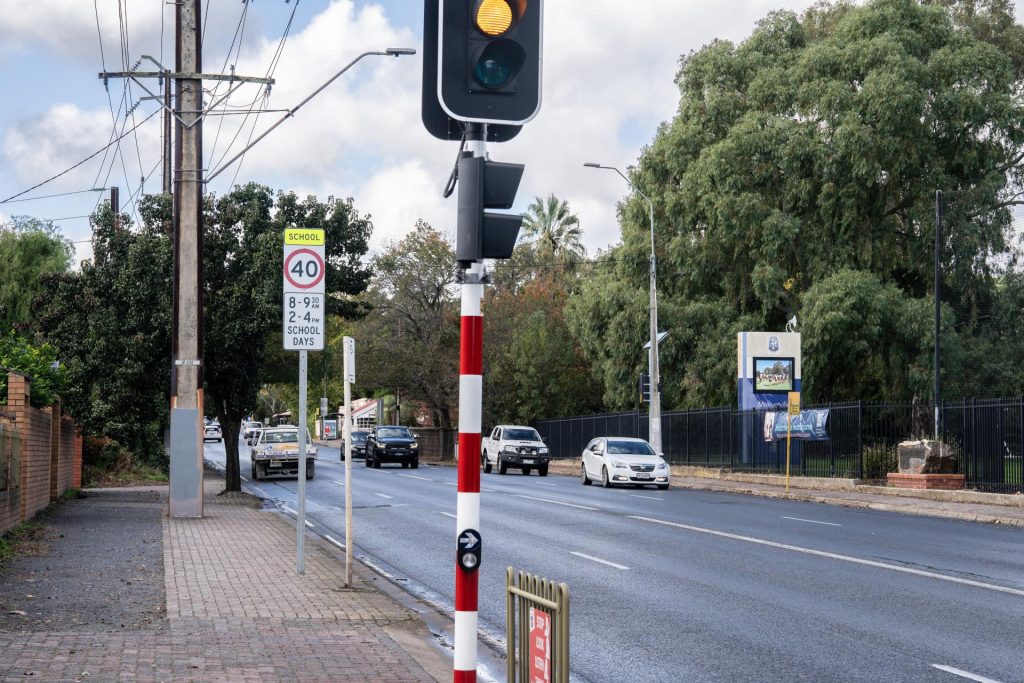
RAA compared travel times on four major corridors during the April school holidays and the first four weeks of term two, finding school-related traffic is a major contributor to congestion across the road network.
The biggest increase was recorded on Grange Road, where a three-kilometre journey (between Findon and South Roads) took more than 11 minutes compared to the usual seven.
RAA’s analysis found that in the morning peak, median travel times were:
Afternoon peak periods were also impacted but not as heavily, taking around 28% longer on average during the school term.
RAA Senior Manager Road Safety and Infrastructure Charles Mountain said travelling before 7:30am if possible was the best way to avoid delays during the morning peak.
“What this analysis shows is that Adelaide’s road network is under pressure during peak periods, and changes in travel behaviour can have a noticeable impact on congestion,” Mr Mountain said.
“Generally Monday is the quietest day of the week on our roads, but peak periods still see much more traffic than during school holidays.
“It’s encouraging to see that the government’s reduction in the 28-day school pass has resulted in a significant increase students using public transport, which reduces the number of private vehicles using the road network during the busiest periods.
“RAA’s Growth without Gridlock campaign calls for a range of measures to give people more transport choices – whether that’s through better public transport, safer cycling routes, improved walking connections or strategic road upgrades.
“The challenge isn’t just today’s traffic – it’s making sure our transport network and our public transport system is ready for the additional demand expected in the years to come.”
For more on RAA’s Growth without Gridlock campaign visit raa.com.au/growth.
The funding will see works to improve safety at identified location including new barriers, signal…
RAA has made its submission to the State Government’s review of personal mobility device (PMD)…

Following the fuel price spike in early March triggered by conflict in the Middle East,…