
 visit raa.com.au
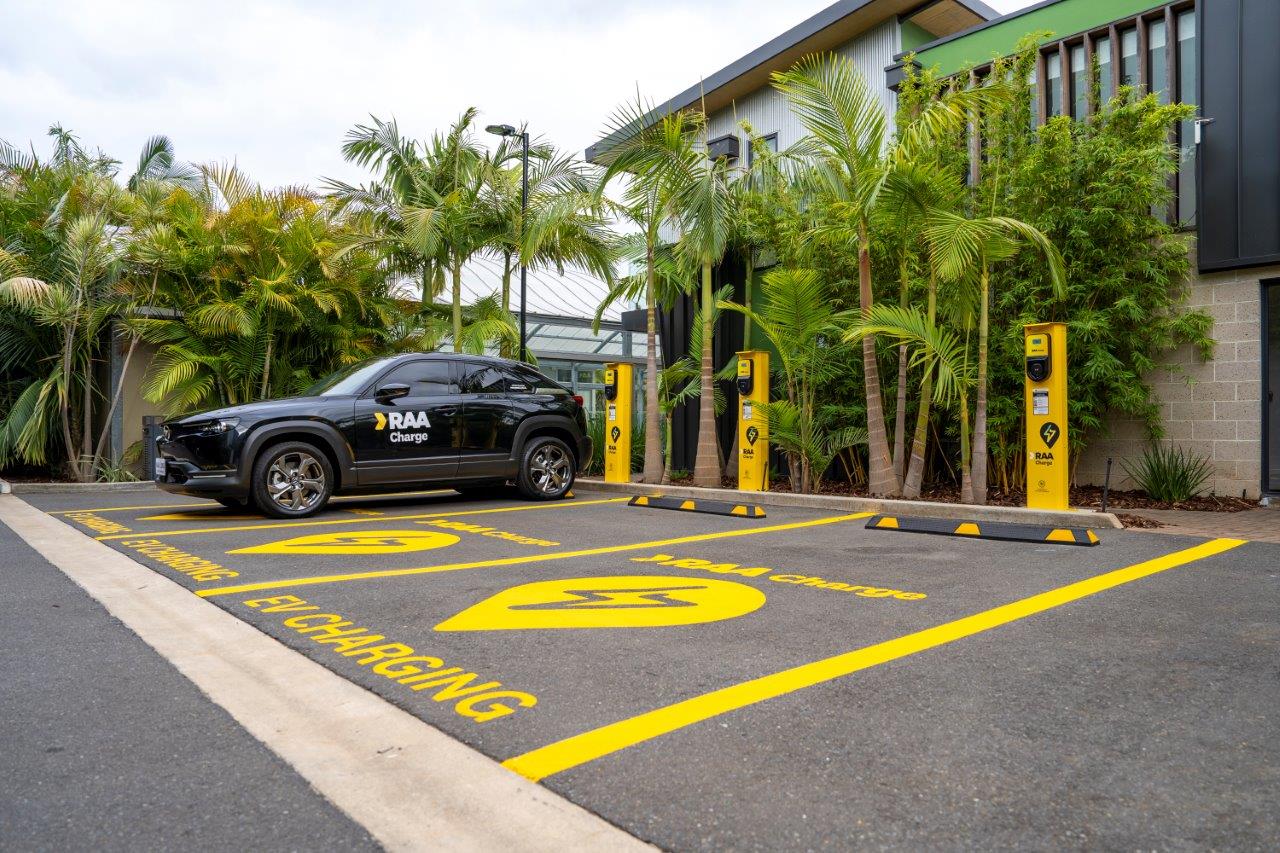
Delivered electricity surged to more than 204,000 kWh – up by 128% – enabling over 1 million kilometres of electric motoring.
This amount of energy would free up the equivalent of an estimated 71,000 litres of petrol and/or diesel for other motorists.
The combined impact of Easter travel and Gather Round created the busiest period ever recorded on the network, with both interstate drivers and regional travel driving strong growth.

Key regional locations included Mount Barker, Bordertown, Mount Gambier and Tintinara, reflecting strong demand along major travel corridors and popular tourism routes. The growth also extended to Victor Harbor, Kingston S.E., Naracoorte and Meningie – with all sites recording a significant spike in usage.
RAA Principal Advisor Energy and Future Mobility Peter Nattrass said the RAA Charge network was supporting more South Australians and visitors choosing electric vehicles for long-distance travel.
“We’re seeing a clear trend of surging EV usage in South Australia – especially in our regions,” Mr Nattrass said.
“Easter and Gather Round was already the busiest period for the RAA Charge network – and activity on the network more than doubled this year.
“Energy delivered grew even faster than charging sessions, showing more drivers are benefiting from fast, high-capacity charger which kept average charging times to just 33 minutes.
“Regional South Australia saw the biggest growth, with sessions up nearly 200% year-on-year, accounting for almost two-thirds of all charging sessions. This shows how critical these RAA Charge sites are for tourism and connectivity.
“Victorian drivers also played a major role in this surge, with usage from interstate visitors more than tripling compared to last year.
“The shift towards faster DC charging is also clear, now delivering nearly 90% of all energy across the network as drivers look to charge up quickly and keep moving.”
Mr Nattrass said the surge in demand illustrated the need for Government to support more charging sites and to introduce a road user charge – something RAA had been calling for for several years.
This week key transport advocates including the Australian Automobile Association launched a new Keep Australia Moving campaign – which calls for Commonwealth investment in EV charging infrastructure, as well as the implementation of a per-kilometre road user charge that covers EV drivers. The campaign urges the Federal Government to introduce a road user charge to ensure EV drivers contribute their fair share to revenue that can be used to build more charging infrastructure, as well as fund roads into the future.
Now part of RAA’s Vehicle Inspection offering, the battery checks independently assess an EV battery’s…
Almost 50,000 additional charging sessions were recorded on the RAA Charge network in the last…
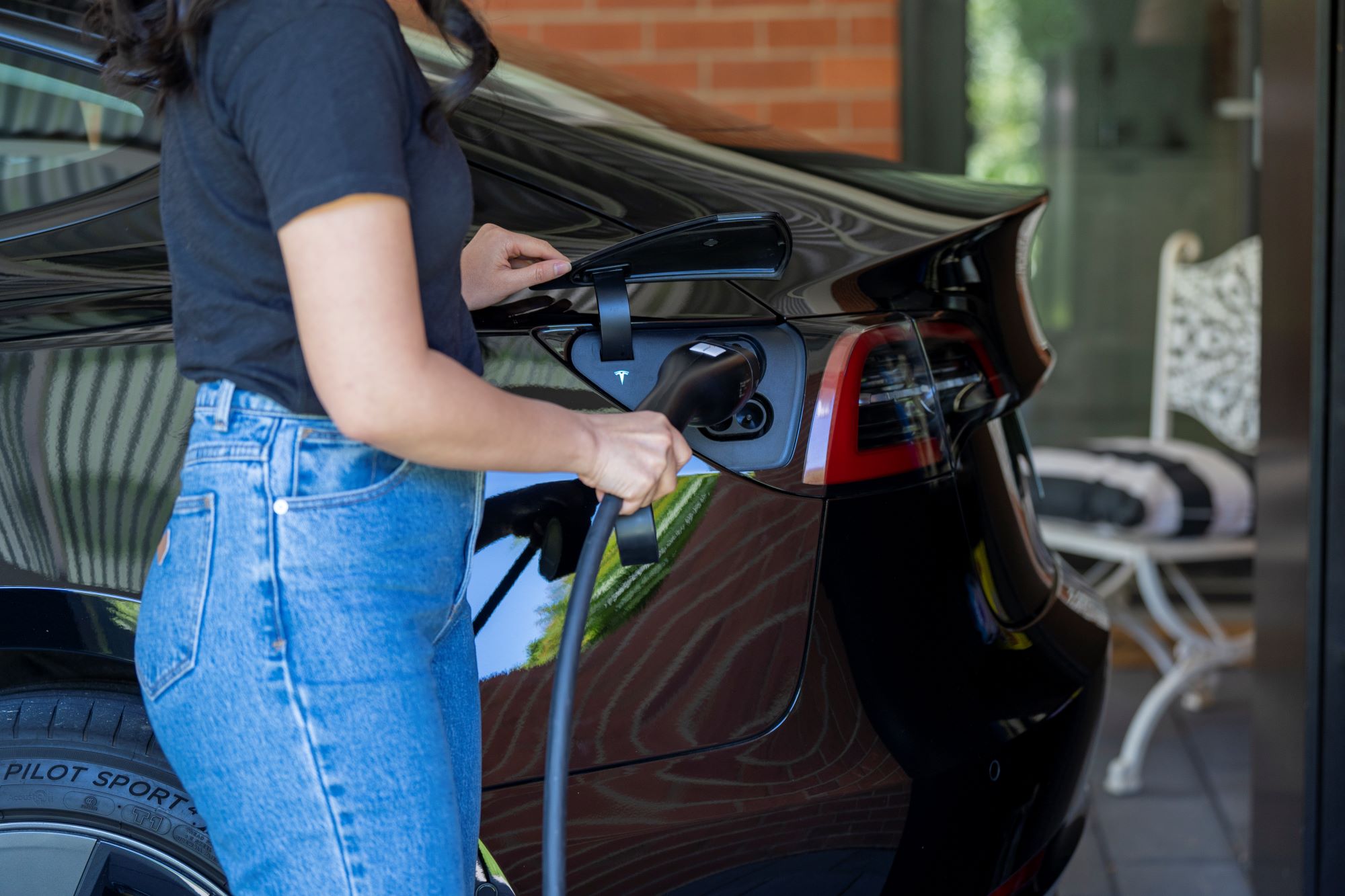
It’s prompted RAA to continue calls for more investment in fast charging infrastructure to support…