
 visit raa.com.au
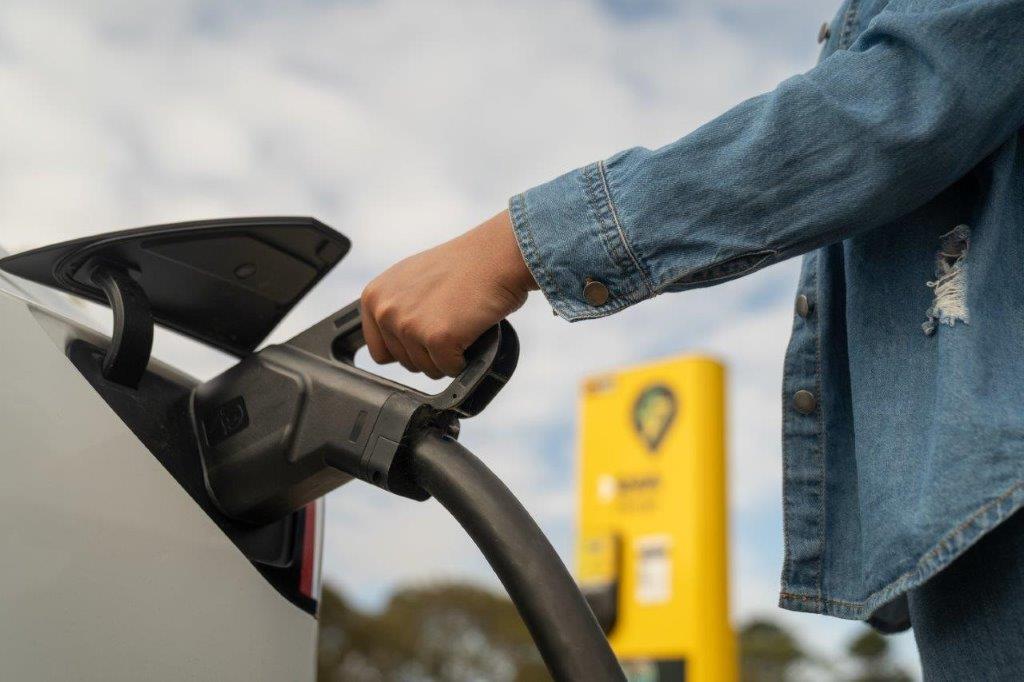
The Middle East conflict has put the affordability and security of fuel front and centre.
Understandably, it’s driving more conversations about electric vehicles (EVs).
While I’m about to make the case that EVs are one of the best ways to control our own fuel security – we must first address the elephant in the room.
There is a harder conversation the Federal Government has been avoiding: road user charging — the principle that everyone who uses our roads should help pay for them.
Right now, the funding to fix and build new roads comes from fuel excise. Every litre of petrol or diesel includes a 52.6 cent tax — temporarily reduced to ease pressure at the bowser. But it underscores how fragile this funding model is.
As more drivers go electric, that revenue shrinks and so does our ability to pay for critical road infrastructure.
South Australia already has a $2.1 billion road maintenance backlog. We cannot simply hope the problem resolves itself.
A fair, distance-based road user charge is the solution — one designed carefully so it doesn’t discourage EV uptake but progressed now before we run out of time. The Federal Government needs to lead this with a consistent national approach.
A road user charge can even help solve the infrastructure problem it’s meant to complement — at least initially. The Australian Automobile Association (the national body of which RAA is a member) is calling for early revenue to be directed toward charging infrastructure in areas where commercial investment won’t reach, directly tackling the range anxiety that holds most buyers back. As the network matures and EV uptake grows, that revenue becomes the road funding replacement we need.
If done correctly, supported by the right policy settings, a road user charge won’t have the impact on EV sales that some are catastrophising.
Before prices surged, RAA research found nearly one in two SA drivers were already considering an EV as their next car. You can bet that number is now climbing.
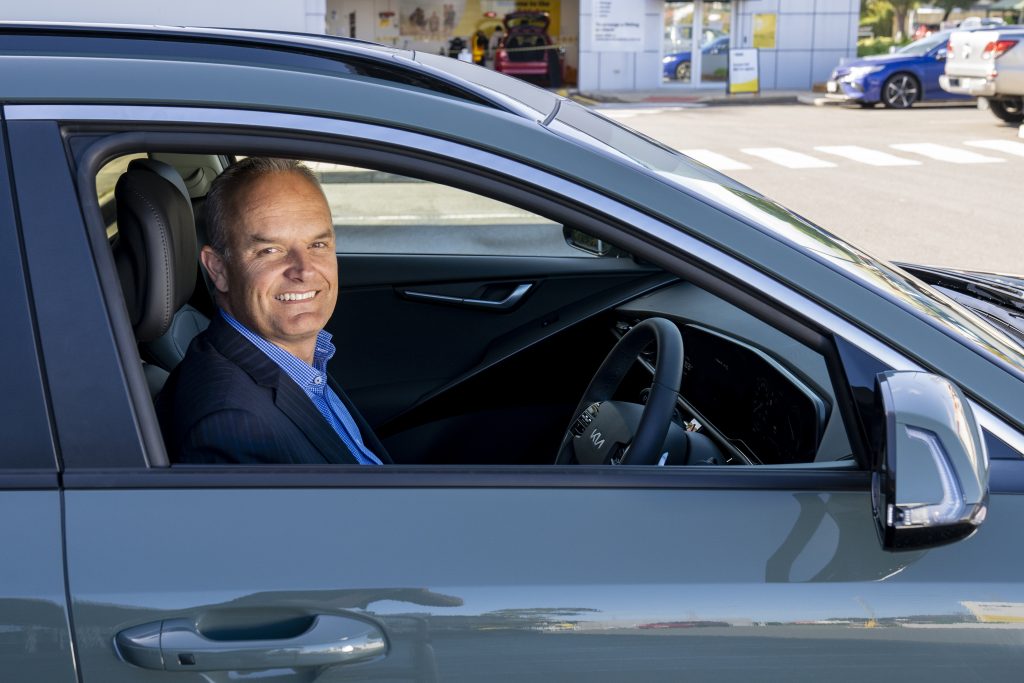
EVs are cheaper to run and it’s a huge part of the reason people are making the switch — in fact our research shows it’s why 94% of EV drivers made the change.
When the cost and availability of fuel is unpredictable — hostage to decisions made on the other side of the world — people start doing the maths on alternatives. Increasingly, that maths points to electric.
There are now around 20,000 full battery electric cars on SA roads – while not overwhelming, the growth is starting to take off.
Of the 6,418 new cars sold in SA in March, around 17% were full battery electric or plug-in hybrid — a 37% increase on the previous year.
As more affordable EV models continue to hit the Australian market, that growth will continue to climb.
The hesitation for most drivers to buy an EV comes down to one thing: can I recharge when I need to and how long will the queue be?
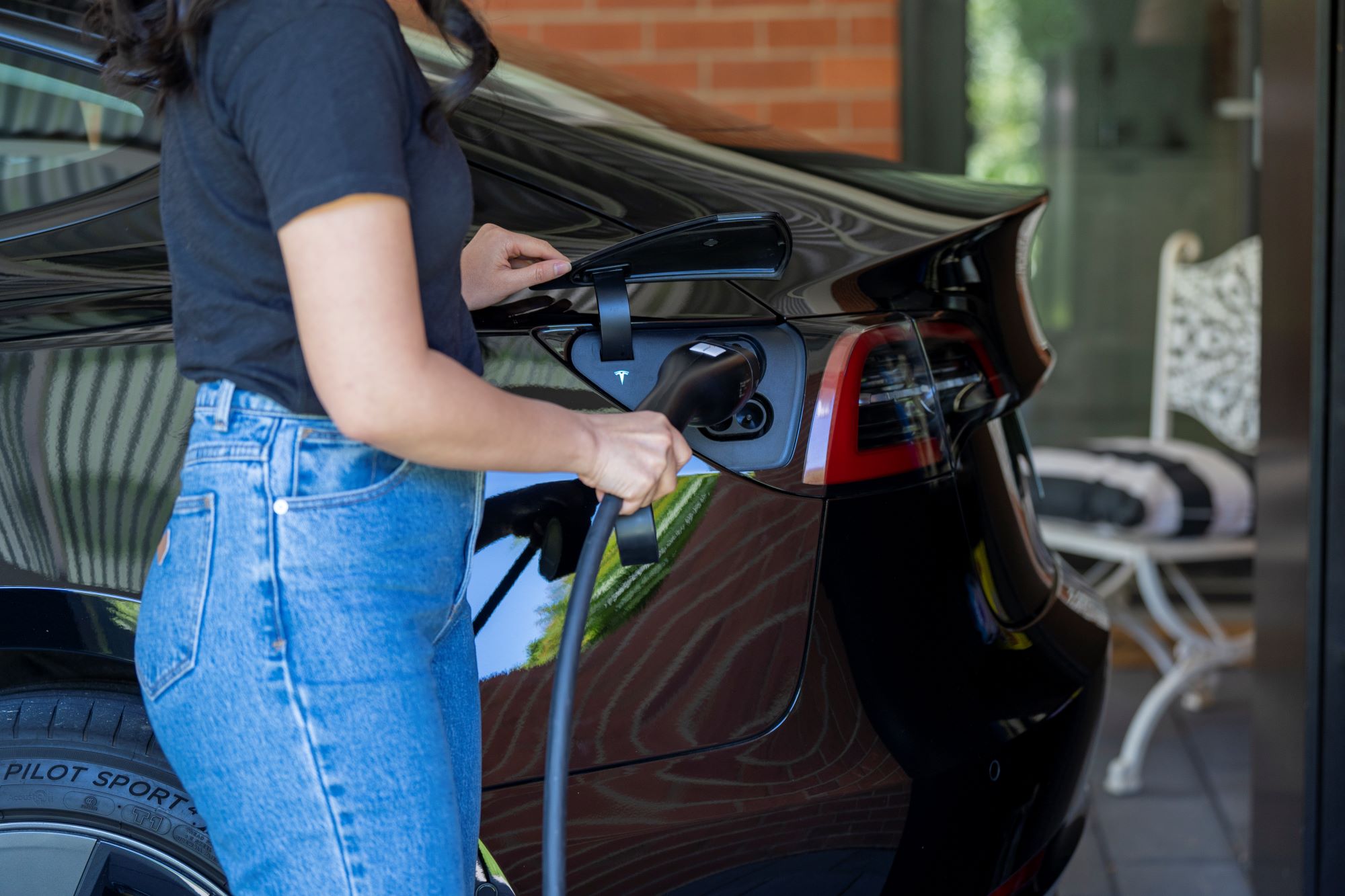
In partnership with the State Government, RAA has invested heavily in building the RAA Charge network – SA’s first border-to-border EV charging network, spanning the state with 145 locations and more than 550 plugs, three-quarters of them in regional SA.
But it is a foundation, not a finished product.
Over Easter weekend alone, RAA Charge delivered almost 3,500 charging sessions — up 90% on the same period last year, with 70% of those sessions in our regions.
As more people choose to drive an EV, the charging infrastructure needs to keep pace.
Charger investment follows population. In regional SA, that model leaves gaps — and governments have a role to play to help close them.
A competitive grants program for small businesses and local councils to install chargers in the right locations would unlock the network South Australia needs — and bring visitors and spending to regional town centres.
South Australia is ready to do its part. We lead the country on renewable energy. We have a growing charging network. And we have a population that is, demonstrably, ready to move.
While the question of fuel security remains top of mind, EVs are an obvious answer.
— Nick Reade, RAA Chief Executive Officer.
Now part of RAA’s Vehicle Inspection offering, the battery checks independently assess an EV battery’s…
Almost 50,000 additional charging sessions were recorded on the RAA Charge network in the last…
It’s prompted RAA to continue calls for more investment in fast charging infrastructure to support…