
 visit raa.com.au
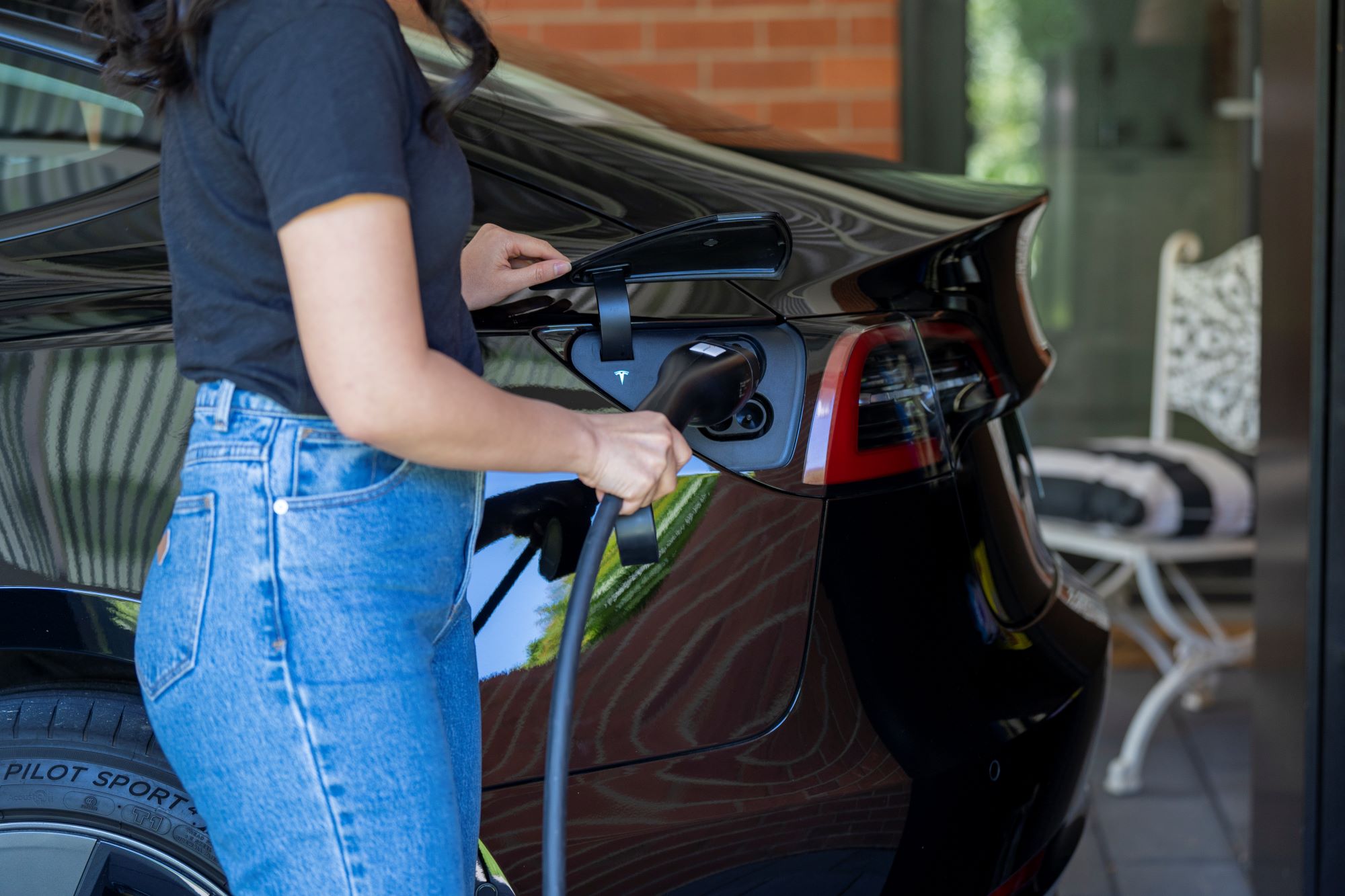
The Federal Government’s New Vehicle Efficiency Standard is requiring car manufacturers to bring more electric vehicles into the country, by mandating a 60% improvement in the efficiency of new passenger vehicles by 2030.
Other estimates suggest half of all new vehicles sold between now and 2035 will need to be electric, to meet the Federal Government’s emissions reduction targets.
RAA is calling on governments to deliver three essential elements to support this transition:
RAA Chief Executive Officer Nick Reade said the infrastructure needs to be in place now to support the EV transition governments are driving.
“Governments have set ambitious targets for EV uptake, and we support them,” Mr Reade said.
“Now it’s time to build the infrastructure that makes this transition possible for South Australians.
“We need more public charging stations, particularly in regional areas. We need new homes built ready for EV charging. And we need a fair road funding model that works for all motorists. Get these three things right, and the transition will succeed.”
Build out regional charging networks
RAA is urging the next State Government to dedicate funding to small businesses and local councils to install charging infrastructure in regional towns and tourism hotspots.
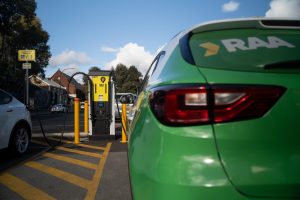
Despite RAA recently completing its network of 144 charging sites and more than 550 plugs across metropolitan and regional SA, more is needed to give drivers confidence that chargers will be available in regional areas, especially as demand increases in coming years.
A survey of RAA members in November 2024 found that range anxiety was the highest concern about EV ownership (68%) with lack of public charging rated third (62%).
“South Australia is a big place. EVs are working well in greater Adelaide, but to unlock the full potential of electric vehicles – including in regional SA and for tourism – we need strategic investment in charging infrastructure,” Mr Reade said.
“The Government should develop a competitive grants program for small businesses and local governments to install charging infrastructure in regional and tourism destinations.
“This will give drivers confidence, support regional economies, and deliver the economic benefits that EV tourism can bring to country communities.”
Make new homes EV-ready
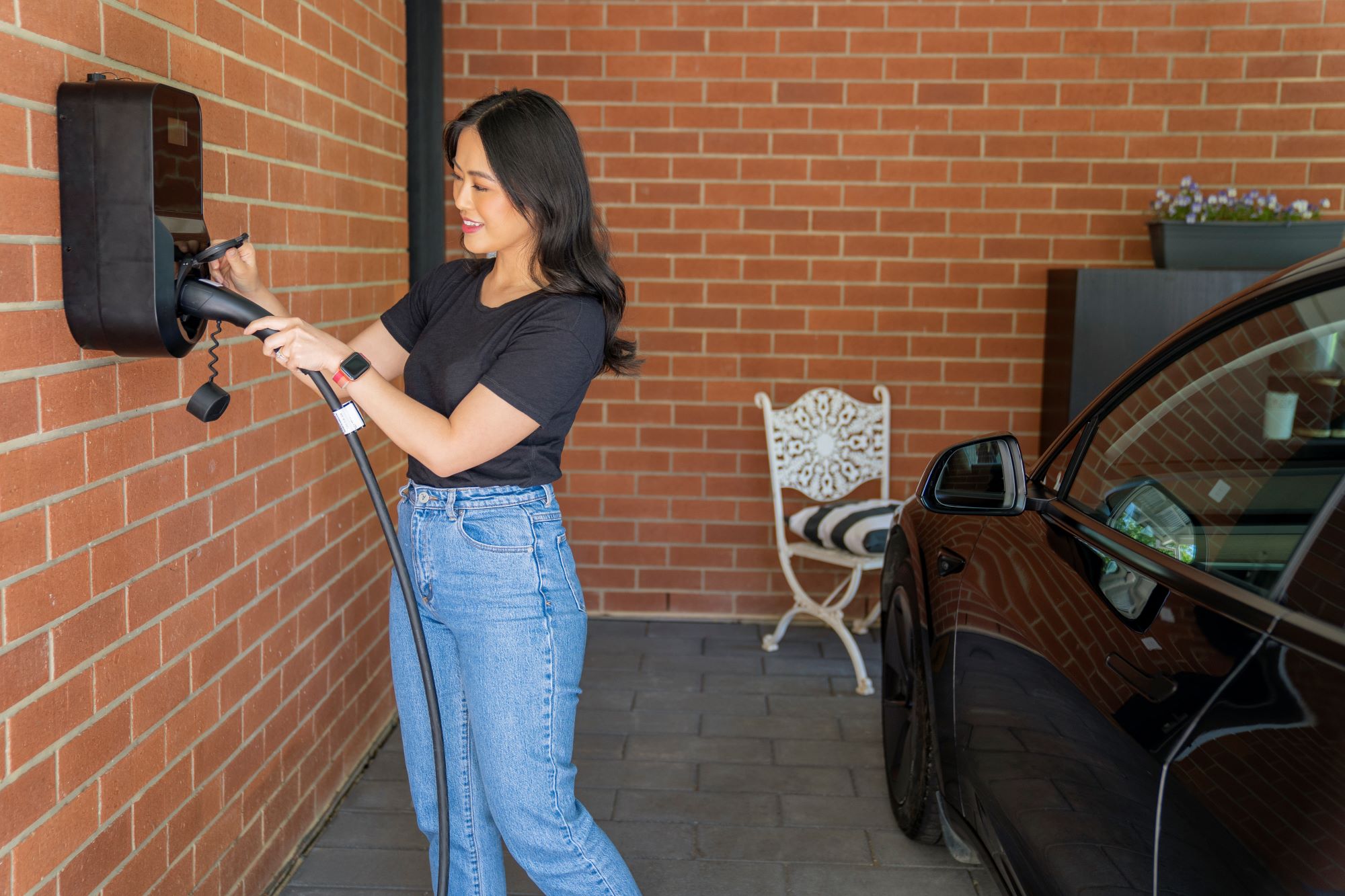
RAA wants the State Government to implement new building standards that ensure all new homes are pre-wired for EV charging.
“We support proposed changes to the National Construction Code that would equip new switchboards and garages so EV chargers can be easily added later – a $250 investment during construction compared to $1,500 in retrofitting costs,” Mr Reade said.
“With half of all new car buyers potentially choosing an EV within a decade, every new home should be built ready for this technology. It’s simple, cost-effective, and removes a major barrier to home charging.
“The State Government should also create a grant program to support uptake of bi-directional ‘Vehicle to Home’ chargers. These allow EVs to charge when electricity is cheapest and discharge power back into a home or the grid – turning the car into a mobile battery that can reduce household energy costs and support the grid during peak demand.”
Establish fair road funding for all
As the transition to EVs accelerates, governments need to establish a sustainable funding model that ensures all motorists contribute fairly to road maintenance.
“Motorists currently pay fuel excise of more than 50 cents a litre when they buy petrol or diesel – revenue that pays for road maintenance and new transport projects. EV drivers don’t pay fuel excise because they don’t fill up at service stations,” Mr Reade said.
“The Federal Government will collect approximately $16 billion in fuel excise revenue over the next four years. As more EVs enter the market, this revenue will decline due to less fuel being purchased – that’s good for the environment, but we need an alternative funding model to maintain our roads.
“RAA supports the work underway between federal, state and territory governments to establish a road user charge that includes electric vehicles, but we keep seeing delays that means we are running out of time to get this right.
“A road user change will ensure fair contributions from all road users and maintains the funding needed to keep roads safe, well-maintained and free from congestion.
“The Federal Government must lead this work to ensure a consistent, national approach.”

Making the transition work
Mr Reade said with EVs reaching price parity with petrol vehicles and government targets driving uptake, now is the time for strategic infrastructure investment.
“The EV transition is happening. RAA is committed to supporting it through our charging network and advocacy for better infrastructure,” Mr Reade said. “But governments need to step up with investment in public charging, building standards that support home charging, and a sustainable funding model for roads.”
Now part of RAA’s Vehicle Inspection offering, the battery checks independently assess an EV battery’s…
Almost 50,000 additional charging sessions were recorded on the RAA Charge network in the last…
It’s prompted RAA to continue calls for more investment in fast charging infrastructure to support…