
 visit raa.com.au
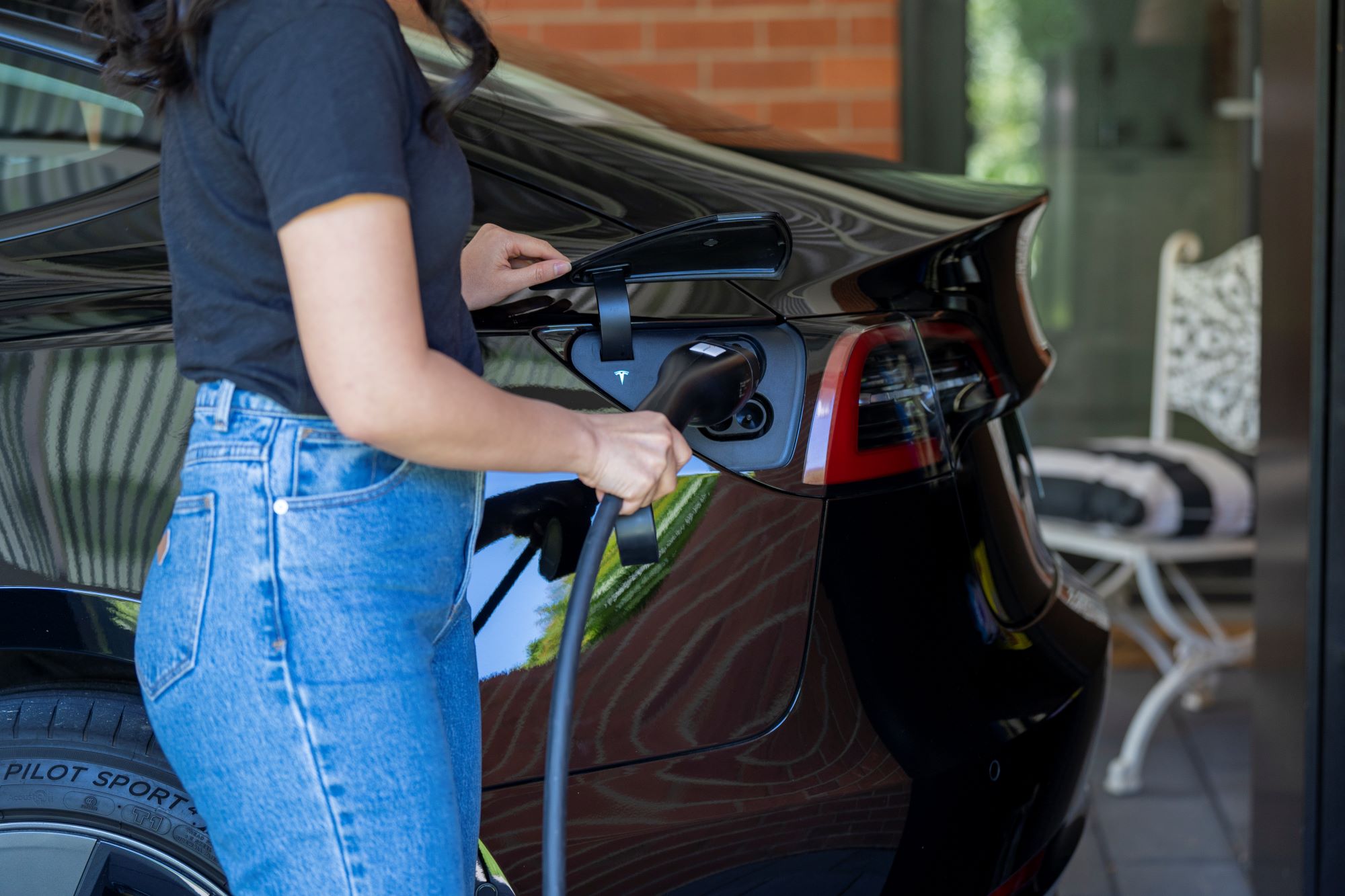
It’s prompted RAA to continue calls for more investment in fast charging infrastructure to support EV uptake.
New vehicle sales data from the Federal Chamber of Automotive Industries and EV Council shows 1,187 battery EVs (BEV) and 583 plug-in hybrid EVs (PHEV) were sold in SA in May, representing 27% of all new vehicle sales for the month.
So far this year 6,186 BEV and PHEVs have been sold in SA – a 112% increase on the same time last year – according to Federal Chamber of Automotive Industries and EV Council data.
In its State Budget submission and Growth without Gridlock campaign, RAA has called for State Government to fund a competitive grants process to build new EV chargers, targeting tourism regions and key growth corridors, to ensure charging infrastructure keeps pace with EV sales into the future.
RAA estimates South Australia needs to build more than 100 fast DC chargers per year to support the current level of EV uptake in SA.
RAA Principal Advisor Future Mobility Peter Nattrass said the May figures show high fuel prices are driving more people to actually make the switch to an EV.
“A 179% year-on-year increase in electric vehicle sales is massive and shows the current fuel situation is playing a big role in increasing EV uptake,” Mr Nattrass said.
“The running cost savings from an EV are substantial, and an expanding range of models at more accessible price points is removing barriers that previously held buyers back.
“The RAA Charge network has seen a 118% increase in charging activity during peak periods like Easter and Gather Round this year, which shows how much more demand there is going to be for public charging in the near future.”
The existing EV fleet is already playing a critical role in national fuel security, with the Australian government estimating up to 780 million litres of fuel being saved each year for other motorists.
“RAA believes the State Government should move quickly to provide funding support where the private sector has failed to do so, especially in regional areas, to ensure the contribution of electric vehicles to fuel security and reduced cost of living for motorists continues to grow.”
Now part of RAA’s Vehicle Inspection offering, the battery checks independently assess an EV battery’s…
Almost 50,000 additional charging sessions were recorded on the RAA Charge network in the last…
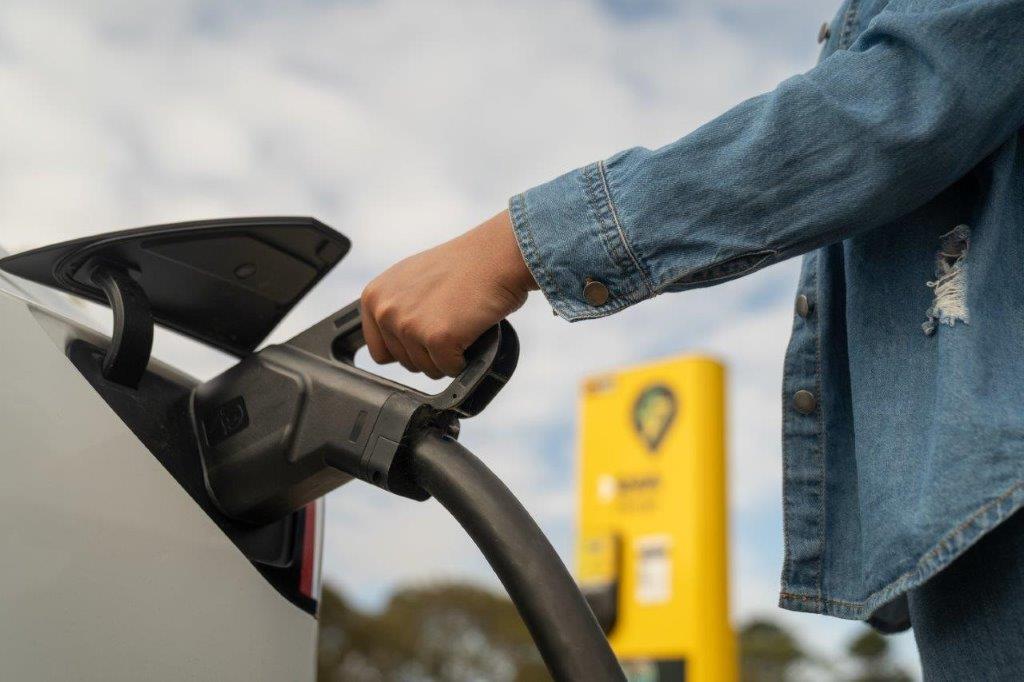
The Middle East conflict has put the affordability and security of fuel front and centre….