
 visit raa.com.au
Following the fuel price spike in early March triggered by conflict in the Middle East, RAA’s Transport Benchmark Study found almost half of South Australians (46%) have changed how, or how often, they travel.
Among those surveyed about their transport habits:
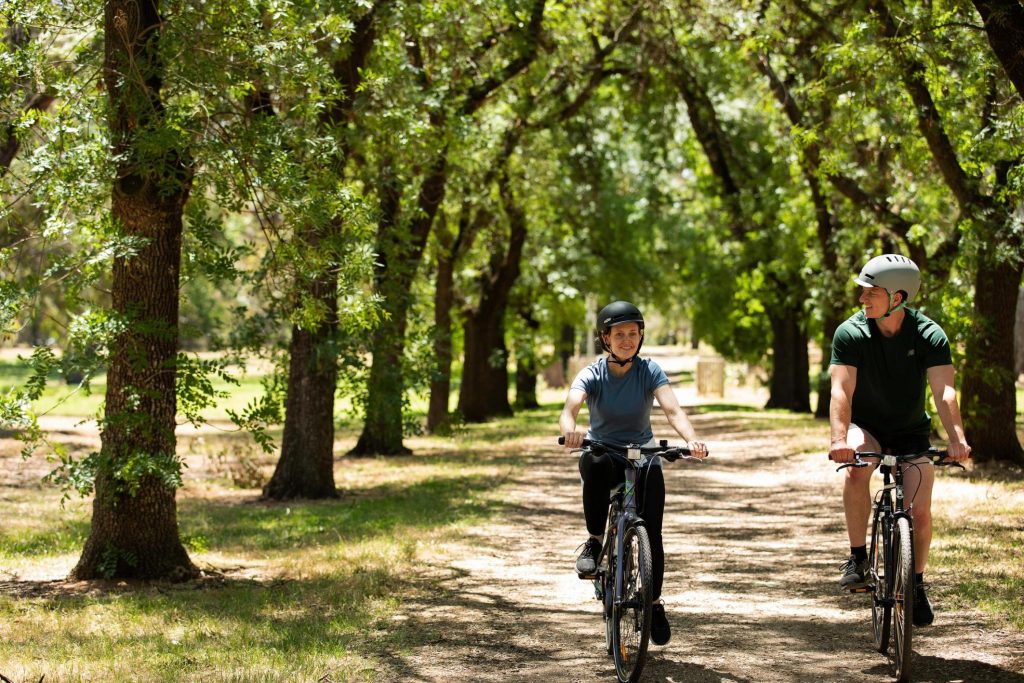
Meanwhile, 22% of South Australians say they’re now walking more than before, 15% have increased public transport use and 6% say they’re cycling more.
RAA Senior Manager Safety and Infrastructure Charles Mountain said the fuel price spike had clearly changed the way South Australians get around as households looked for ways to manage cost-of-living pressures.
“When fuel prices surged in March, we saw South Australians respond immediately – cutting non-essential trips, combining errands, and for many, leaving the car at home altogether in favour of walking or public transport,” Mr Mountain said.
“It’s a reminder of just how sensitive our travel habits are to the cost of driving.
“While no one wants to see people forced out of their cars by rising prices, there could be a silver lining here – more people finding alternative modes of transport like walking and using public transport means less congestion and lower emissions.
“The challenge now is giving people more transport options for them to use on a long-term basis beyond their personal cars.
“Our research shows the biggest barriers to more people choosing public transport are about how long it takes (43%), services not going where needed (32%) and services being unreliable or not on time (20%).
“When it comes to cycling, around one in four respondents who don’t cycle say they don’t feel safe when riding – so providing more protected bike routes could open this option up for many more people.
“If we want to ensure more commuters have the ability to change their travel behaviour, that’s where the investment needs to go.”
To view RAA’s Growth without Gridlock advocacy platform, visit raa.com.au/growth.
For two and a half days only RAA’s 840,000+ members can save 20c per litre…
RAA analysis shows the average retail price of diesel in Adelaide has risen to $2.89…
According to RAA’s latest fuel report, 33% of drivers have started using fuel price comparison…